_edited.jpg)
Top Techniques for Common Pain Relief Methods
Pain can affect every part of our lives. Whether it is from an injury, stress, or chronic conditions, finding effective ways to ease discomfort is important. I want to share some of the best methods I have found for managing pain. These techniques are simple, practical, and can help you feel better naturally. Let’s explore how you can take control of your pain and improve your well-being.
Understanding Common Pain Relief Methods
When pain strikes, it’s natural to look for quick and effective solutions. Common pain relief methods include a variety of approaches, from physical therapies to lifestyle changes. Some people turn to medication, while others prefer natural or holistic options. Knowing what works best for you is key.
Here are some popular methods that many find helpful:
Massage therapy: This helps relax muscles and improve circulation. It can reduce tension and promote healing.
Heat and cold therapy: Applying heat can soothe stiff joints, while cold packs reduce inflammation.
Exercise: Gentle movement strengthens muscles and releases endorphins, the body’s natural painkillers.
Mindfulness and relaxation: Techniques like deep breathing and meditation calm the nervous system.
Over-the-counter painkillers: These can provide temporary relief but should be used carefully.
Each method has its place, and sometimes combining them works best. For example, a massage followed by gentle stretching can ease muscle pain more effectively than either alone.
What is the simplest pain relieving technique?
If you want to start with something easy and accessible, heat therapy is a great choice. Using a warm towel, heating pad, or hot water bottle on the painful area can quickly reduce stiffness and discomfort. Heat helps increase blood flow, which promotes healing and relaxes tight muscles.
Here’s how to use heat therapy safely:
Apply heat for 15 to 20 minutes at a time.
Use a barrier like a towel between your skin and the heat source.
Avoid heat if you have swelling or open wounds.
Repeat as needed, but give your skin breaks to prevent burns.
Heat therapy is especially useful for back pain, arthritis, and muscle soreness. It’s simple, affordable, and something you can do at home without special equipment.
Exploring Massage for Pain Relief
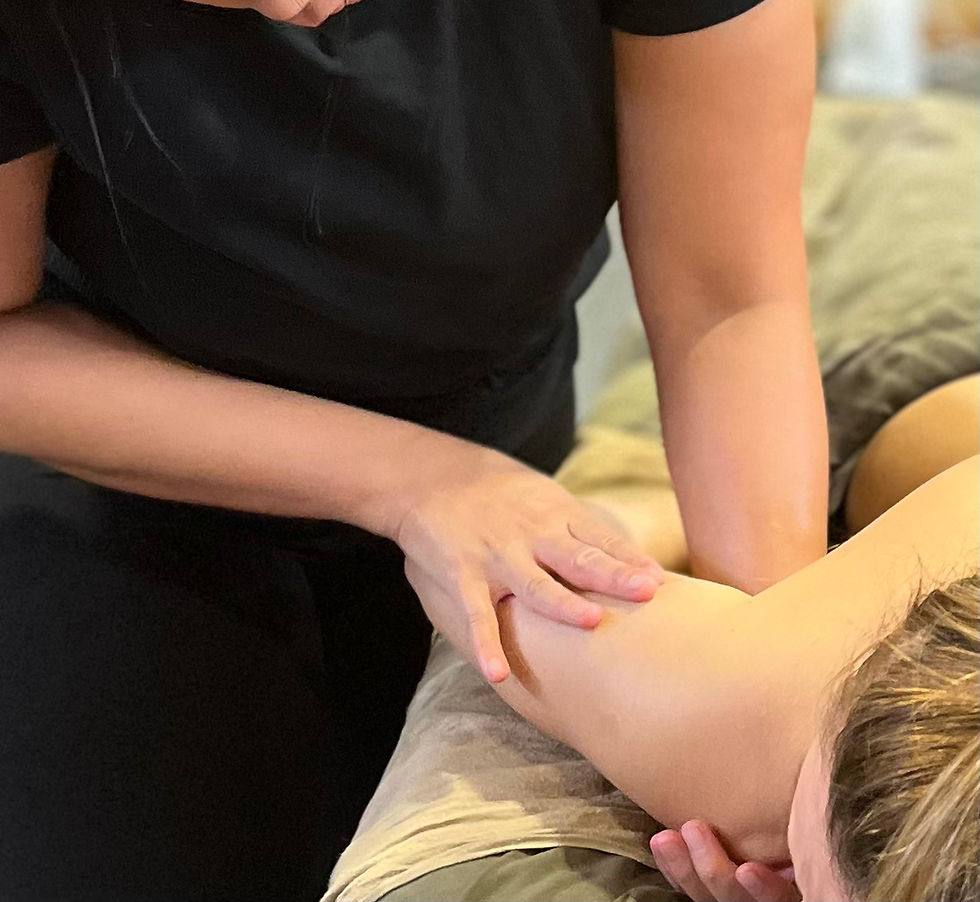
Massage is one of the most effective ways to relieve pain naturally. It targets muscle tension, improves circulation, and helps the body relax. At Origin Thai Massage and Therapy, we use specialized techniques designed to reduce pain and stress while promoting holistic wellness.
Different types of massage can help with different kinds of pain:
Swedish massage: Gentle strokes to relax muscles and improve circulation.
Deep tissue massage: Focuses on deeper layers of muscle to release chronic tension.
Thai massage: Combines stretching and pressure points to improve flexibility and reduce pain.
Massage also helps reduce stress hormones, which can worsen pain. Many clients find that regular sessions improve their overall quality of life.
If you want to try massage for pain relief, look for a qualified therapist who understands your specific needs. Communicate openly about your pain areas and comfort levels.

How to Use Exercise to Manage Pain
Exercise might seem counterintuitive when you’re in pain, but it is a powerful tool for long-term relief. Moving your body helps strengthen muscles, improve joint function, and release natural painkillers called endorphins.
Here are some tips to get started safely:
Choose low-impact activities like walking, swimming, or yoga.
Start slowly and increase intensity gradually.
Focus on exercises that improve flexibility and strength.
Listen to your body and avoid movements that cause sharp pain.
Consider working with a physical therapist for guidance.
Regular exercise can reduce chronic pain conditions such as arthritis and lower back pain. It also supports mental health, which plays a big role in how we experience pain.
Using Mindfulness and Relaxation to Ease Pain
Pain is not just physical - it affects your mind too. Stress and anxiety can make pain feel worse. That’s why mindfulness and relaxation techniques are important parts of pain management.
Try these simple practices:
Deep breathing: Breathe slowly and deeply to calm your nervous system.
Progressive muscle relaxation: Tense and then relax different muscle groups.
Guided meditation: Use apps or recordings to focus your mind away from pain.
Visualization: Imagine a peaceful place or a healing light in the painful area.
These techniques help reduce stress hormones and improve your mood. They also teach you to observe pain without fear or resistance, which can lessen its intensity.
Finding the Right Combination for You
Everyone’s pain is unique, so there is no one-size-fits-all solution. I encourage you to explore different options and find what works best for your body and lifestyle. Combining methods often gives the best results.
For example, you might use heat therapy at home, get regular massages, and practice mindfulness daily. Adding gentle exercise can further improve your strength and reduce pain over time.
If you want to learn more about effective pain relief techniques, Origin Thai Massage and Therapy offers expert guidance and personalised treatments. Our goal is to help you recover from injuries, reduce stress, and achieve holistic wellness.
Remember, managing pain is a journey. Be patient with yourself and take small steps every day. Your body and mind will thank you.
I hope these tips help you find comfort and relief. Taking care of your pain is an important part of living well. If you want to explore massage or other therapies, don’t hesitate to reach out to professionals who can support you on your path to healing.


Comments